Every successful supply chain depends on packaging that performs under pressure. From heavy machinery and precision components to electronics and defense equipment, products must travel safely through complex logistics networks. Industrial packaging provides the structure, protection, and efficiency required to make this possible. When manufacturers partner with the right suppliers, including an experienced OC packaging manufacturer, packaging becomes a strategic tool that improves operations, reduces risk, and supports long-term growth.
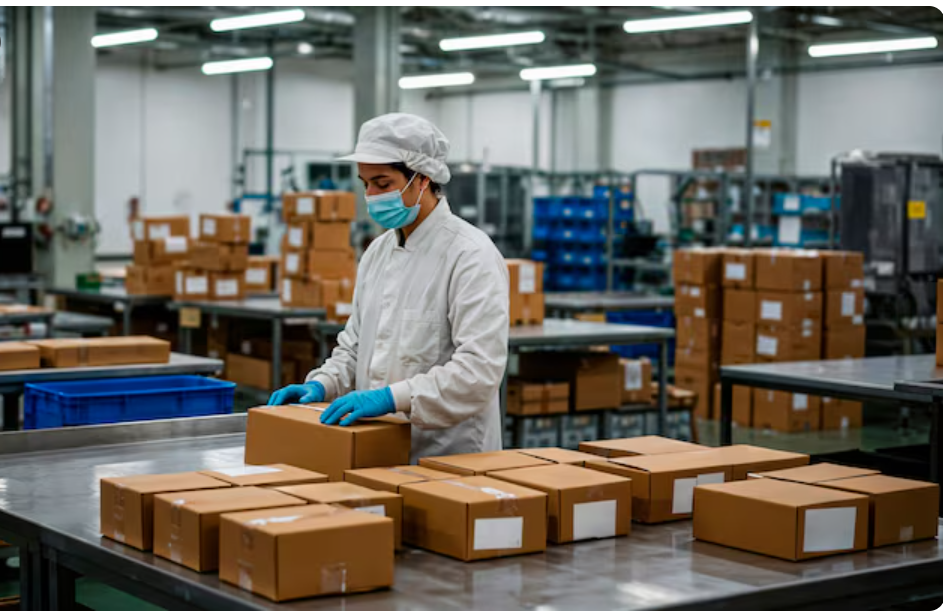
Industrial packaging is engineered for real-world conditions. Unlike consumer packaging, it must withstand vibration, impact, compression, and environmental exposure over long distances. It must also support efficient handling in factories, warehouses, and distribution centers. A well-designed packaging system does more than protect products; it improves workflows, reduces waste, and enhances reliability throughout the supply chain.
The Role of Local Manufacturing Expertise in Packaging Performance
Working with a regional partner such as an OC packaging manufacturer gives companies direct access to engineering expertise and faster response times. Local manufacturers understand regional industries, transportation routes, and compliance requirements, allowing them to design packaging that fits specific needs. They also provide greater flexibility when production schedules change or demand increases unexpectedly.
Local manufacturing allows for closer collaboration between packaging engineers and production teams. This hands-on approach leads to packaging designs that align with equipment, handling processes, and storage systems. When packaging fits seamlessly into operations, companies reduce bottlenecks and improve overall efficiency.
In addition, local packaging manufacturers often offer prototyping and testing services. They can quickly produce sample packaging for evaluation and make adjustments before full-scale production begins. This shortens development cycles and ensures packaging performs as expected from the first shipment.
Engineering Packaging Systems for Strength and Efficiency
Industrial packaging design begins with understanding risk. Engineers evaluate product weight, fragility, shape, and surface characteristics, along with shipping routes and handling conditions. They then create packaging systems that address those risks using structural containers, internal cushioning, and protective barriers.
Corrugated containers, wood crates, molded inserts, and foam systems work together to protect products from movement and shock. Barrier materials protect against moisture, dust, and corrosion, especially for metal or electronic components. The goal is to achieve maximum protection with minimal material usage, creating an efficient and cost-effective solution.
Testing ensures these designs perform in the real world. Packaging undergoes drop testing, vibration testing, and compression testing to simulate transportation conditions. This proactive validation helps prevent damage, delays, and costly returns.
Stretch Film and Load Stability in Modern Supply Chains
While containers protect individual products, stretch film secures palletized loads and ensures safe handling throughout the distribution process. Without proper load containment, even well-designed packaging can fail during transit. A reliable stretch film manufacturer provides high-performance films that deliver consistent tension, strong cling, and excellent load stability.
Modern stretch films offer superior performance with less material. They stretch further, maintain tension longer, and resist tearing under stress. This allows companies to reduce plastic usage while improving load containment. Automated wrapping systems further enhance consistency, applying uniform coverage and tension for every pallet.
Stretch film also improves safety. Stable loads reduce the risk of falling products and workplace injuries. Uniformly wrapped pallets move more efficiently through automated systems and are easier for workers to handle, improving both productivity and safety.
Custom Mil Spec Packaging for High-Reliability Applications
When products must survive extreme conditions, custom mil spec packaging supplier solutions provide the highest level of protection. Military packaging standards were developed to protect sensitive equipment during long-term storage, overseas shipping, and harsh handling environments. These standards now serve as a benchmark for reliability in many commercial industries.
Custom mil spec packaging often includes heavy-duty containers, sealed barrier bags, corrosion inhibitors, desiccants, and shock-absorbing materials. Each component plays a specific role in maintaining product integrity. This level of protection is essential for aerospace, defense, energy, and advanced manufacturing applications where failure can have serious consequences.
By working with a custom mil spec packaging supplier, manufacturers gain access to specialized materials and expertise that ensure compliance and performance. Even when full military compliance is not required, applying these principles dramatically reduces risk and improves consistency across the supply chain.
Packaging as a Driver of Operational Efficiency
Industrial packaging directly impacts operational efficiency. Well-designed packaging maximizes pallet density, improves truck utilization, and reduces freight costs. When packaging aligns with transportation equipment, companies ship more products in fewer loads, lowering overall logistics expenses.
Packaging consistency also improves warehouse operations. Standardized containers stack more efficiently and simplify storage. Clear labeling and secure wrapping reduce errors and speed up picking and packing processes. In high-volume operations, these improvements translate into measurable time and cost savings.
In just-in-time manufacturing environments, reliable packaging becomes essential. Delays caused by damaged components can halt production lines and disrupt schedules. Packaging systems that perform consistently help manufacturers maintain momentum and meet delivery commitments.
Sustainability and Responsible Packaging Design
Sustainability now influences nearly every packaging decision. Manufacturers seek solutions that reduce material usage, lower emissions, and support recycling. Partnering with experienced packaging suppliers makes it easier to achieve these goals without compromising performance.
Right-sizing packaging eliminates excess space and reduces material waste. Lightweighting strategies use stronger materials with less mass, lowering both packaging and transportation costs. Recyclable materials and reusable systems further reduce environmental impact while maintaining protection standards.
Reusable packaging systems are especially effective in closed-loop supply chains. Durable containers and pallets can circulate between facilities multiple times, reducing waste and long-term costs. While these systems require planning, they often deliver significant environmental and financial benefits.
Stretch film innovation also supports sustainability. New films provide better containment at lower thicknesses, reducing plastic usage without sacrificing strength. These advances help manufacturers meet environmental goals while maintaining reliable load stability.
Compliance, Safety, and Risk Management
Industrial packaging must comply with regulations that vary by industry and destination. Packaging for hazardous materials, defense equipment, or international shipments requires specific materials, labeling, and documentation. Compliance ensures shipments move smoothly through inspection points and customs.
Packaging also plays a critical role in safety. Strong containers and stable loads reduce the risk of collapse or shifting during handling. Proper wrapping prevents products from falling and causing injuries. Clear labels help workers identify contents and follow safe handling procedures.
Traceability enhances risk management. Barcodes, RFID tags, and serialized labels allow companies to track shipments from origin to destination. This visibility improves accountability, supports quality control, and simplifies recalls if necessary.
Building Resilience Through Packaging Partnerships
Manufacturers that treat packaging as a strategic investment build more resilient supply chains. By working with a trusted OC packaging manufacturer, sourcing high-performance materials from a reliable stretch film manufacturer, and partnering with a custom mil spec packaging supplier, companies create systems that protect products and support growth.
These partnerships provide access to innovation, engineering expertise, and continuous improvement. As markets change and supply chains evolve, packaging systems must adapt quickly. A strong packaging partner helps manufacturers stay ahead of these challenges and maintain operational stability.
Industrial packaging may not always be visible to the end customer, but its impact is felt throughout the supply chain. When designed and executed correctly, packaging protects products, improves efficiency, and reinforces trust at every stage of the journey.